Betting on Yourself: A Conversation with Summit ABA Founder Nick Heath
What does it take to go from leading someone else's ABA practice to building your own?
For Nick Heath, BCBA and founder of Summit ABA in North Carolina, the answer wasn't simply having enough clinical experience. It was knowing what kind of practice he wanted to build, understanding the risks of ownership, and finding a way to make that transition without compromising the things that mattered most.
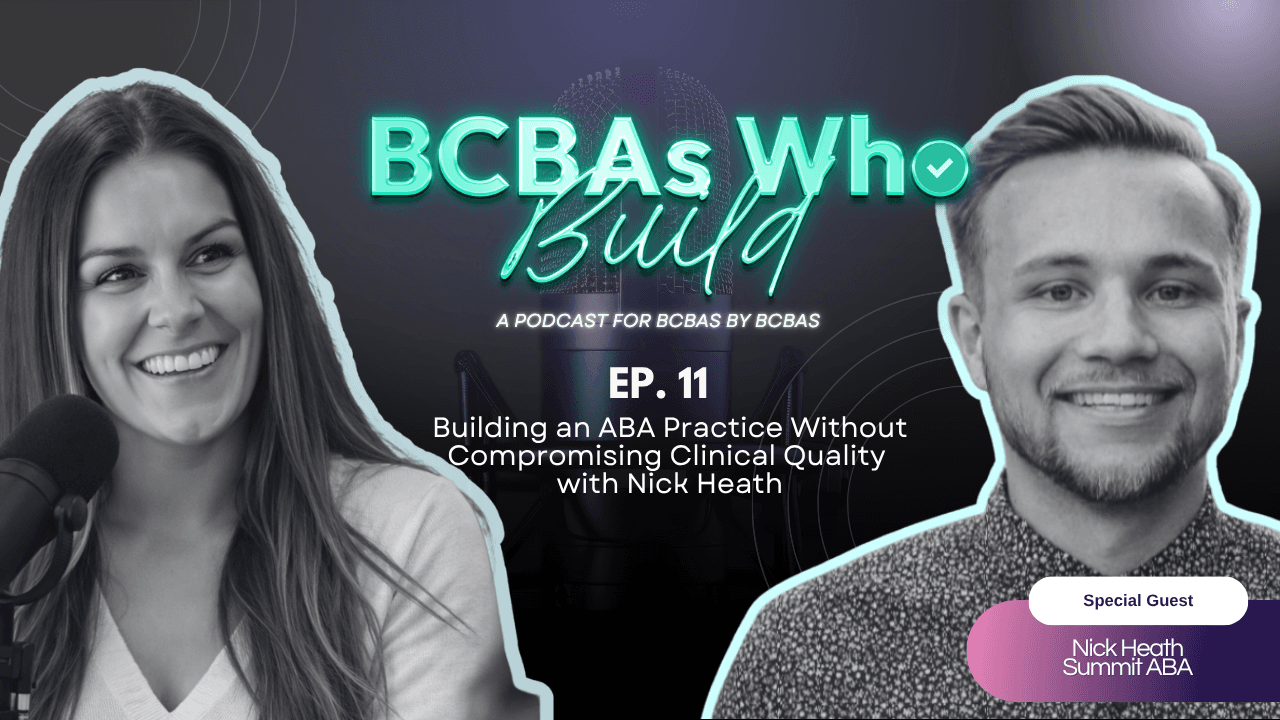
In this episode of BCBAs Who Build, Headstart Health's Dr. Sara Feldman sits down with Nick to discuss his journey from RBT to state director to independent practice owner. Together, they explore what it means to grow intentionally, build meaningful relationships with families and staff, and create a business that reflects your clinical values.
Here are four takeaways from their conversation.
1. You had a successful career in ABA leadership. What made you want to start your own practice?
After more than nine years in ABA, Nick had worked his way through several clinical and leadership positions, including clinical director, regional director, and state director. But as his responsibilities grew, so did his interest in ownership.
"I was doing a lot of work for these companies. Why can't I do that for myself?"
For Nick, ownership had always been a long-term goal. His experience in leadership helped him understand not only how ABA organizations operate, but also what he wanted to do differently when building his own.
2. With so many ABA providers in North Carolina, how did you know there was room for another practice?
Nick knew he would be entering a competitive market. Rather than trying to replicate what larger providers were already doing, he focused on what he could offer families and clinicians through a smaller, locally operated practice.
His answer was to be a present, involved owner who could build direct relationships with families, RBTs, and other community professionals.
That approach helped shape Summit ABA's identity around personalized care, collaboration, and intentional growth.
3. What was the biggest challenge in making the transition from BCBA to business owner?
For Nick, the uncertainty wasn't primarily about delivering clinical care. It was understanding the business responsibilities that come with operating an independent practice.
Billing, credentialing, insurance claims, recruiting, and revenue cycle management were all areas he knew he would need to navigate.
Through his partnership with Headstart Health, Nick was able to establish operational support while maintaining ownership of his practice and autonomy over clinical decisions.
He also chose to begin with a smaller caseload while remaining employed, giving himself time to develop his skills as a business owner before transitioning fully into his practice.
4. What advice would you give another BCBA who is considering ownership?
"Bet on yourself."
It's the advice Nick would give his younger self and other BCBAs considering the next step in their careers.
For him, ownership wasn't simply about leaving a stable position. It was about building a career that aligned with his values, his family, and the kind of impact he wanted to make.
He encourages BCBAs to think carefully about their reasons for pursuing ownership, understand what they want to build, and have confidence in their ability to take that next step.
Hear the Full Conversation
From navigating the uncertainties of entrepreneurship to building a practice that prioritizes clinical quality, Nick's story offers a firsthand look at what independent ABA ownership can look like.
These are just a few highlights from his conversation with Dr. Sara Feldman.
Catch the full episode of BCBAs Who Build featuring Nick Heath on Headstart Health's Instagram.