Building an ABA Practice with Purpose: A Conversation with Marquii Jacobs, BCBA
How one BCBA is rethinking practice ownership, investing in future ABA leaders, and building a business rooted in community.
What does it mean to build an ABA practice that truly reflects your values?
For Marquii Jacobs, BCBA, founder of the ABA Guru, the answer goes beyond opening a business. It's about creating an environment where clinicians feel supported, families feel heard, and the next generation of behavior analysts has opportunities to grow.
Marquii's career has taken her from RBT to BCaBA to BCBA, and eventually to independent practice ownership. Along the way, she discovered that advancing into leadership didn't always provide the freedom to shape the workplace culture or clinical experience she envisioned.
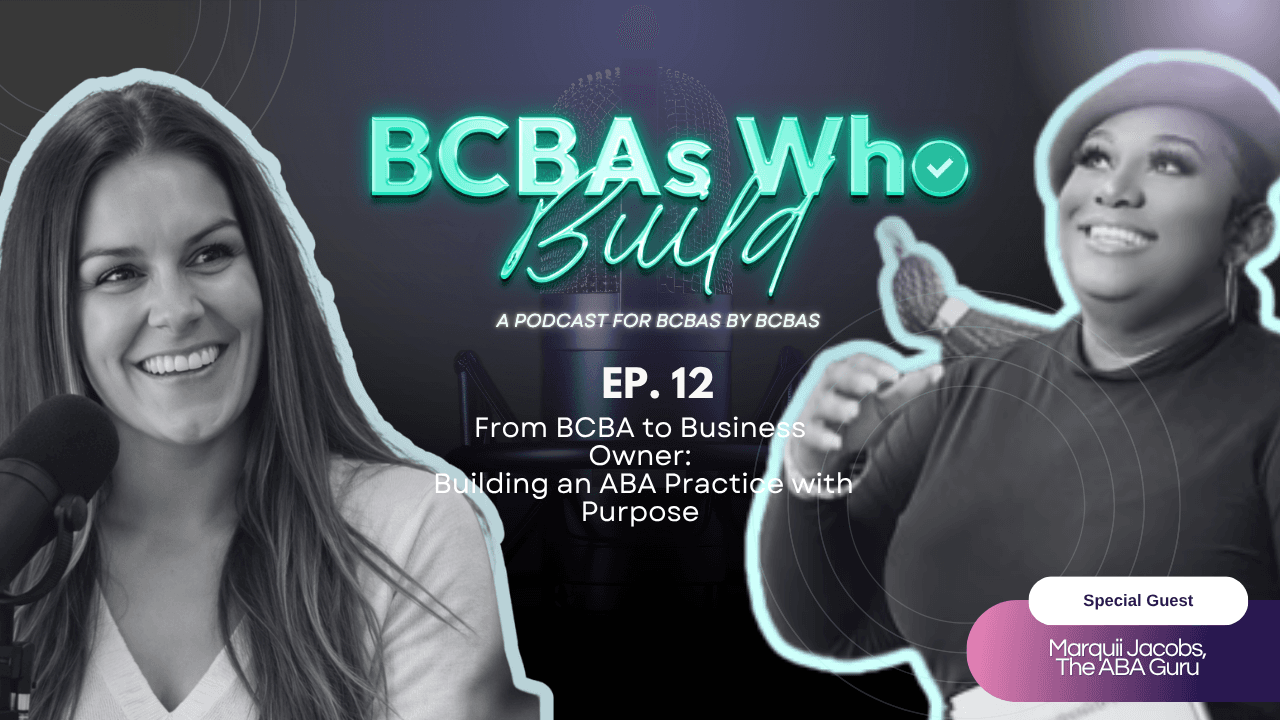
In a recent episode of BCBAs Who Build, Marquii joined Headstart Health's Dr. Sara Feldman to discuss what inspired her to become an entrepreneur, why she believes local ABA ownership matters, and how she's preparing her RBTs to become future leaders.
Here are some of the biggest takeaways from their conversation.
Editor's note: This interview has been edited for clarity and length.
Q: What inspired you to start your own ABA practice?
Marquii Jacobs: I originally wanted to start my own ABA company, but after entering the field, I changed my mind.
As I progressed from RBT to BCaBA to BCBA, I assumed that moving into higher leadership positions would give me more influence over company culture, staff development, and the way services were delivered.
But I eventually realized that even in leadership positions, there were limitations. At the end of the day, you're still working within someone else's mission and vision.
I wanted to create an environment where I could invest in my staff, address leadership disparities, and practice in a way that aligned with my values while maintaining ethical standards.
That's when I realized I would need to start my own company.
The biggest thing holding me back was the amount of work involved in getting started. When I discovered Headstart Health and the support they could provide, ownership started to feel possible again.
Building a practice around your values
Marquii's experience highlights an important distinction between clinical leadership and business ownership.
Moving into a supervisory or leadership position can create opportunities to influence care, but it doesn't always provide the authority to change an organization's larger priorities.
For BCBAs who have a clear vision for how they want to support their teams and serve families, independent practice ownership can offer another path.
Q: How did you want your ABA practice to serve families differently?
Marquii Jacobs: I wanted families to feel like their treatment was designed specifically for them.
It's important to me that families feel heard and supported. I want to understand their culture, their priorities, and what's meaningful to them before developing a treatment plan.
I've had opportunities to travel and experience different cultures, and those experiences have reinforced how important it is to take the time to understand the people you're serving.
I've also become increasingly aware of families in my community who face barriers to accessing ABA services.
Savannah is my home. I went to school here, I know people in the community, and I have personal connections to the local school system.
I take my responsibility as a community advocate seriously. I want families to know that ABA can look different when someone who understands their community is helping shape the services available to them.
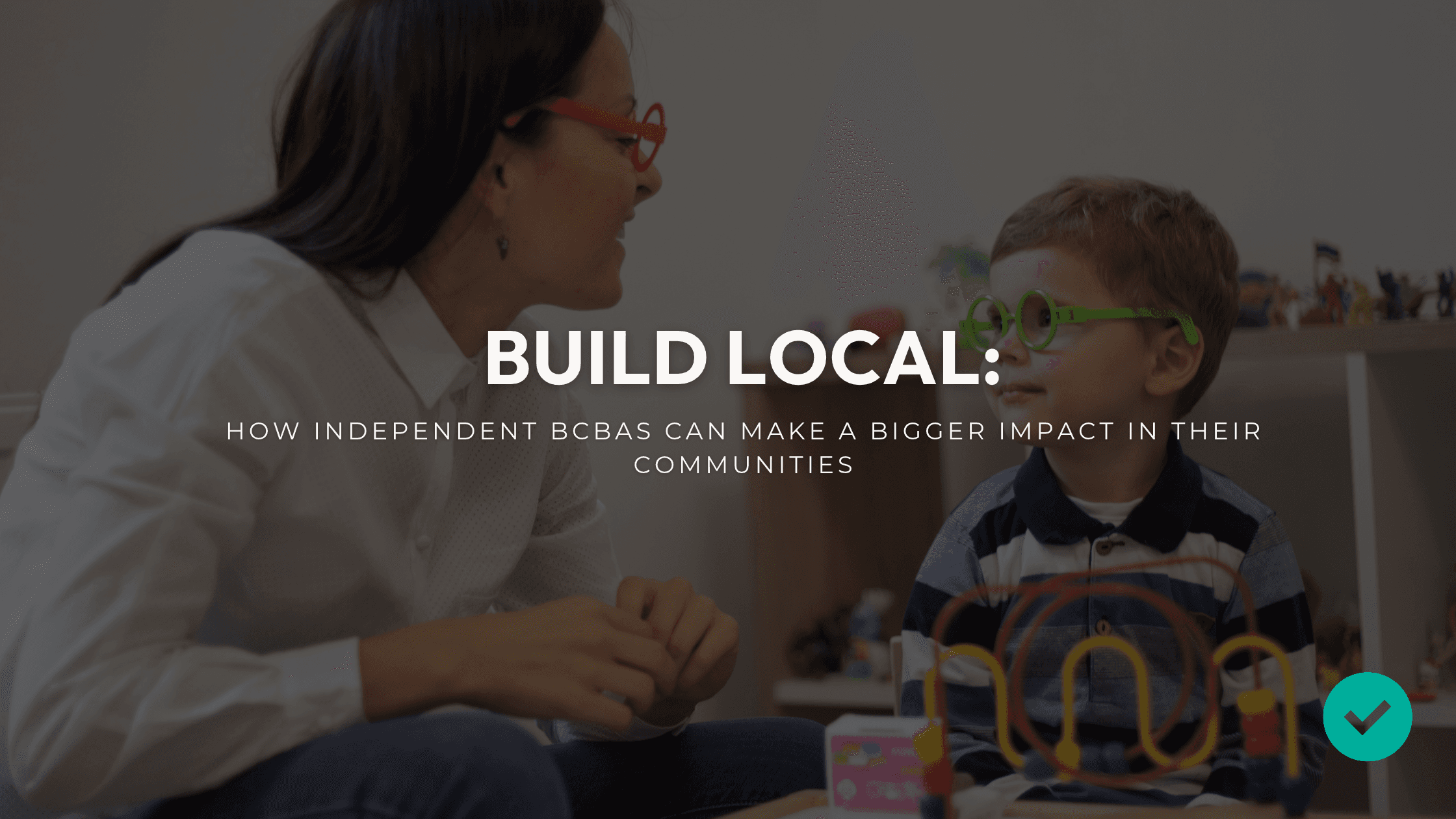
Why the future of ABA is local
For Marquii, local practice ownership isn't simply about geography. It's about accountability, relationships, and understanding the communities clinicians serve.
A locally rooted BCBA can bring valuable knowledge of family needs, community resources, cultural considerations, and service gaps into the way a practice operates.
That perspective can help shape more responsive services and strengthen the relationships between providers and the families who rely on them.
Q: What did you want to do differently when it came to supporting your RBTs?
Marquii Jacobs: One thing I noticed in the industry was a sense of competition between companies and the people working for them.
Sometimes, it feels like organizations are concerned about developing employees who might eventually leave and become competitors.
I wanted to approach things differently.
My vision was to create an incubator-style experience for my RBTs. I want working with me to be part of their leadership development journey, preparing them to potentially become entrepreneurs or own their own ABA companies.
That means giving them opportunities to develop their clinical skills while also learning about the business side of behavior analysis.
For example, I have a team member developing a sports-based ABA program. I've been able to create opportunities for him to incorporate some of those methods into sessions and gain experience with his ideas.
I want my team to have experiences like that before they're in a position where they have to make major business decisions on their own.
School teaches you behavior analysis, but it doesn't necessarily teach you how to run a company.
My goal is to help bridge that gap.
Developing leaders instead of competitors
Marquii's leadership philosophy challenges the idea that investing in employees creates a risk for business owners.
Rather than focusing exclusively on retaining talent, she's focused on developing it.
By exposing RBTs and future BCBAs to leadership responsibilities, entrepreneurship, and business operations, practice owners can help clinicians build confidence and prepare for the next stages of their careers.
And for Marquii, that's the point.
She doesn't want to be the only leader in her organization. She wants to help create more of them.
Q: What advice would you give a BCBA who's interested in starting a practice but doesn't feel ready?
Marquii Jacobs: I wish I had known that I didn't have to have all the answers.
We can spend so much time waiting, planning, and putting things off because we think we need to know everything before we begin.
But sometimes, we just need to start.
That doesn't mean doing everything yourself. It means finding the right support, connecting with people who have the expertise you need, and continuing to move toward your mission.
Whether you're starting a business or building a new initiative, you don't have to figure out every detail before taking the first step.
You don't have to build alone
One of the biggest misconceptions about entrepreneurship is that business owners need to be experts in every aspect of running a company.
For BCBAs, that can mean feeling overwhelmed by the prospect of managing credentialing, billing, administrative operations, staffing, and business development while continuing to provide quality clinical care.
But clinical expertise and business expertise are different skill sets.
Finding the right partners, resources, and support systems can help clinicians approach ownership with greater confidence and a clearer understanding of what it takes to build a sustainable practice.
Building the Future of ABA, One Leader at a Time
Marquii Jacobs' story is a reminder that ABA practice ownership can be about more than starting a business.
It's an opportunity to create the workplace culture you've always wanted, invest in the clinicians coming after you, and build services that reflect the needs of your community.
From developing future leaders to advocating for culturally responsive care, Marquii is using entrepreneurship as a way to put her values into action.
And her advice to other BCBAs considering a similar path is simple: You don't have to know everything before you begin.
You just have to be willing to take the first step.
Watch the Full Conversation on BCBAs Who Build
Want to hear more from Marquii Jacobs?
In the full episode of BCBAs Who Build, Marquii and Dr. Sara Feldman explore her journey as the ABA Guru, her experience applying behavior analysis to Airbnb hospitality, her work supporting HBCU behavior analysis programs, and her approach to building an independent ABA practice with purpose.
Watch the full episode on the Headstart Health YouTube channel to hear the entire conversation.