At the BMBA Summit in Atlanta, I heard Dr. Jon Bailey say something I haven’t been able to shake.
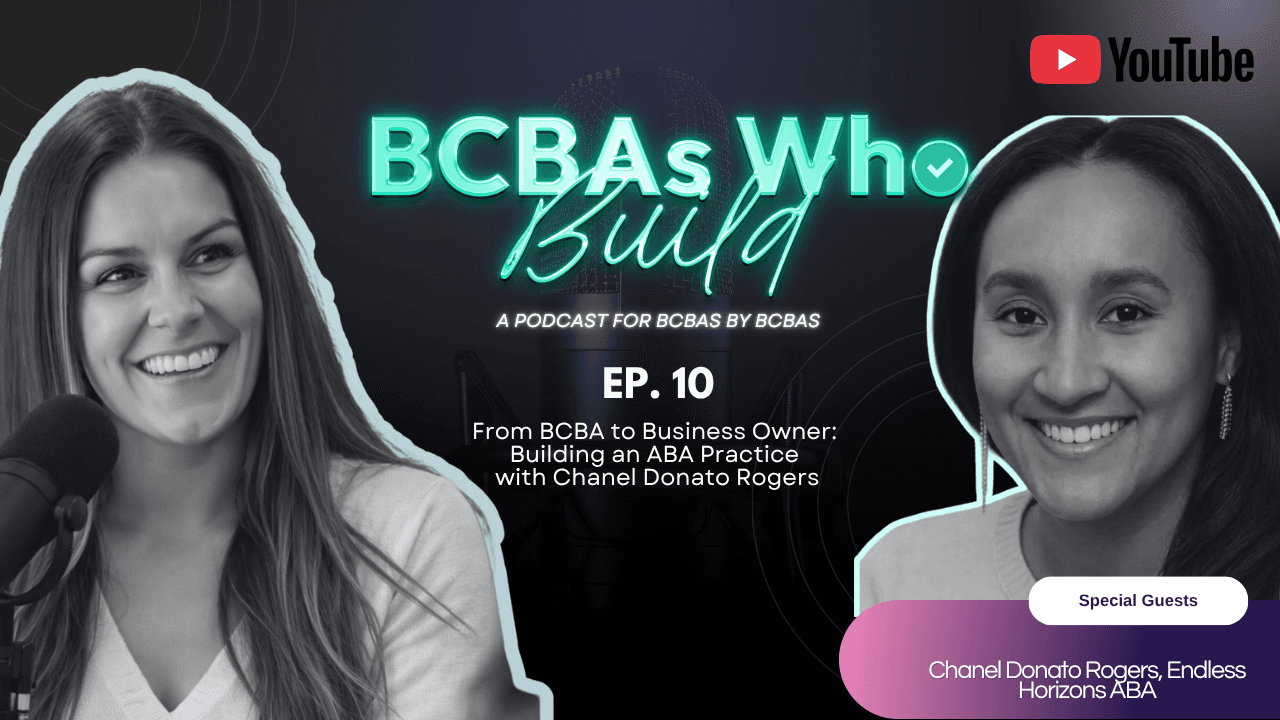
During a live, onstage recording of the The BC(BAes) podcast, hosted by Jordan Gipson BCBA and Melina Gipson, M.Ed., BCBA, Birthing Doula, he said that the future of ABA is going to be in the hands of small businesses.
The Future of ABA is Small Business. -Dr. Jon Bailey, BCBA-D
I wrote it down.
Not because the idea was entirely new to me, but because he said plainly what so many BCBAs have been circling around for a while now. And coming from Dr. Bailey, who has spent decades helping shape how our field understands ethics, the observation carried a different kind of weight

Jordan and Melina Gipson interview Dr. Jon Bailey at a live recording of the BC(BAes) podcast during the BMBA Summit.
Entrepreneurship was not a side conversation at the BMBA Summit. It kept coming up. The theme surfaced again during LaKeysha Cobbs-Hayes (Coach Key) panel discussion, as BCBAs talked about ownership, leadership, and what becomes possible when practitioners stop waiting for someone else to build the organizations they want to work inside.
Then, on Friday night, I watched that idea become much more tangible.

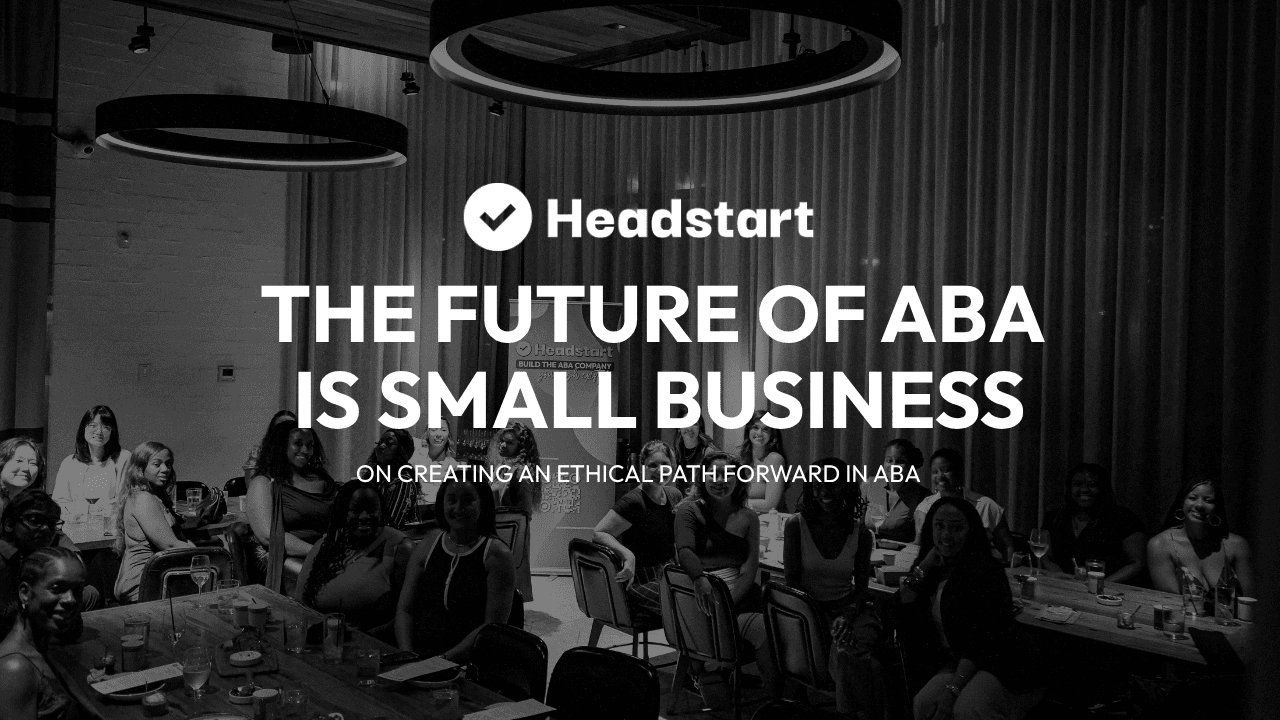
Headstart Health: BCBA Community Table Atlanta
Headstart Health hosted a provider roundtable dinner at Ecco Buckhead with BCBA founders, aspiring founders, and other ABA leaders. Some had been building their organizations for some time now. Some were still sorting through the earliest questions.
The conversations were honest and real. BCBAs compared notes about hiring, growth, reimbursement, clinical quality, and the hundreds of decisions that come with being responsible for an organization. They shared what had worked, what had been far harder than expected, and what they wished someone had told them sooner.
It felt like a room full of people taking the future of ABA into their own hands.

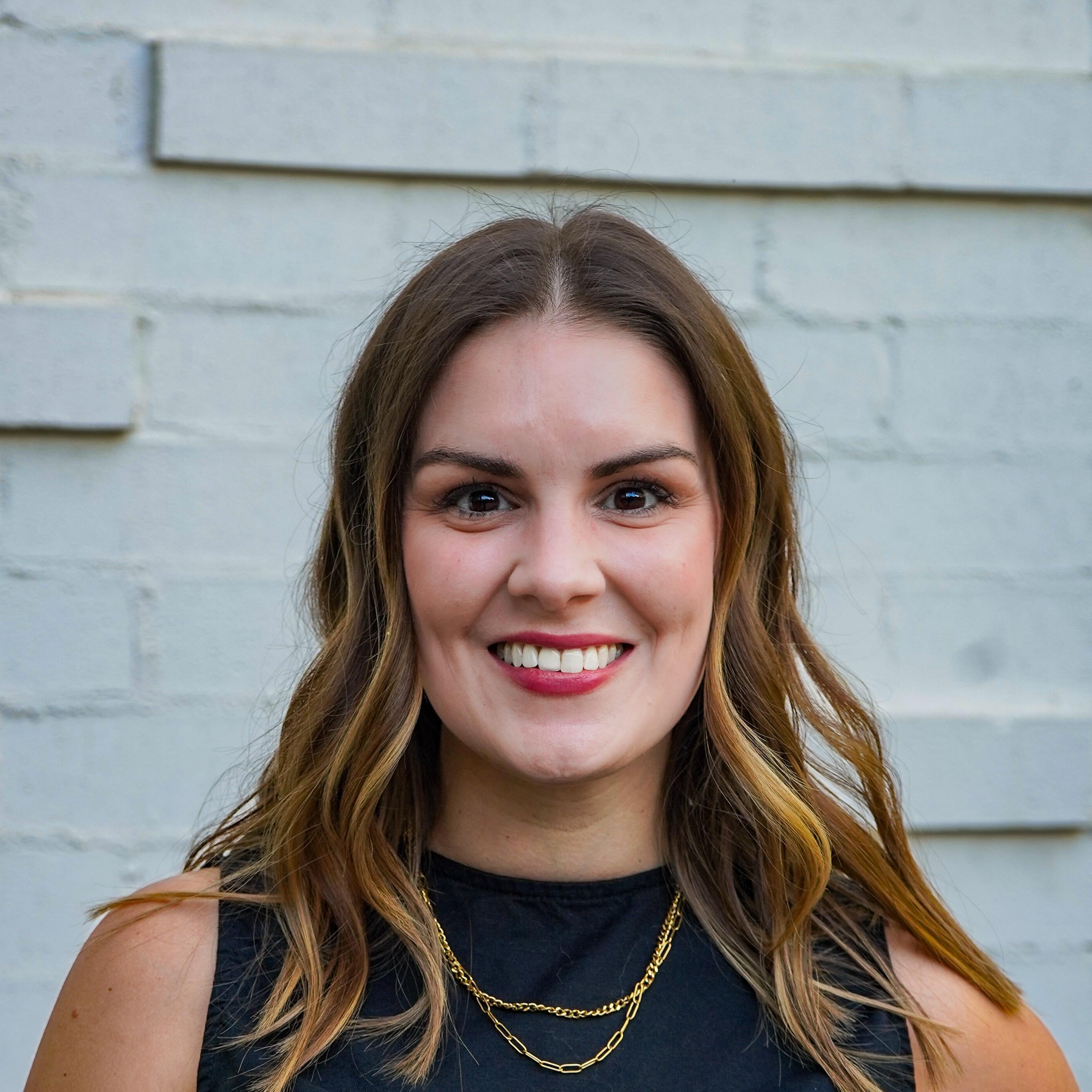
Chanel and Amanda share about their journey as ABA entrepreneurs.
When BCBAs reach out to Headstart, very few begin by saying, “I want to be an entrepreneur.”
Usually, they begin somewhere else.
They talk about wanting more control over their caseloads. They want to make hiring decisions based on clinical fit, not just urgency. They want enough time to support caregivers well. They want to grow without watching quality slowly become secondary to volume.
Most of all, they want the authority to make decisions that match the responsibility they already carry.
That matters, because the people responsible for clinical quality should have real influence over the policies that shape it.
Clinician ownership is not an automatic guarantee of ethical care. Small practices can make poor decisions, and large organizations can do excellent work. But ownership structure does affect how far decision-making sits from the child, the caregiver, and the clinician.
In a BCBA-owned practice, the person setting expectations for caseloads has likely carried one. The person deciding whether the organization is ready to accept another family understands what that clinical commitment actually requires. The person writing a caregiver policy may also be the person who has to sit across from that caregiver and explain it.
There is less room for a policy to remain theoretical when you are the one living with its consequences.
There is also a different kind of accountability when the owner’s clinical reputation, license, relationships, and name are tied to the care being delivered in the community. Families are not navigating layers of leadership trying to find the person empowered to make a decision. The owner is often still close enough to listen, respond, and change course.
That proximity does not remove the tension between clinical care and business reality. Independent owners still have to make payroll, recruit staff, satisfy payers, manage documentation, and build something financially sustainable. Being clinician-owned does not make those pressures disappear. It does, however, change who gets to weigh them.
For more than 10 years, I have known what it feels like to carry the responsibility of building a company. It is meaningful work, but it can also be incredibly lonely. There are decisions that only another owner fully understands, and there are stretches when advice is less important than having someone nearby who understands the boat you are in.
That was what felt so special about the dinner.

These leaders could have treated one another like competitors. Instead, they shared what they knew. Someone who had already made it through a difficult stage helped someone standing in the middle of it. People celebrated each other’s progress without pretending the work was easy.
The Summit and the dinner were different rooms, but I heard the same thing in both: BCBAs are ready to lead, and many of them are no longer willing to accept that gaining influence requires moving further away from clinical care.
If small businesses are going to hold the future of ABA, though, we cannot romanticize what it takes to build one.
We cannot tell clinicians to go independent and then leave them alone to navigate payer access, compliance, billing, recruiting, systems, and growth. Independence should mean clinical and organizational ownership. It should not mean isolation or having to become an expert in every operational function overnight.
The ABA field needs to make it more possible for excellent clinicians to build sustainable organizations without giving away the values that made them want to build in the first place.
That means putting more BCBAs in the driver’s seat and surrounding them with the infrastructure and community to stay there.
The future Dr. Bailey described is not hypothetical. I saw pieces of it all weekend in Atlanta. I saw it in the entrepreneurs taking the stage at the Black Men in Behavior Analysis Summit. I heard it in Lakeysha Cobbs- Hayes panel discussion. I felt it around the table at our provider dinner.

Independent ABA organizations are already being built by clinicians who want something better for their teams and the families they serve. Our job now is to make sure they do not have to choose between ownership and support.
Because when the people closest to care have the authority to shape the organization around it, families feel the difference.
That is a future of ABA worth building.
If you're interested in building your own ABA practice, reach out! Headstart Health supports BCBAs across North Carolina, Georgia, Texas and Indiana to build and grow their own independent ABA companies with clarity and confidence.